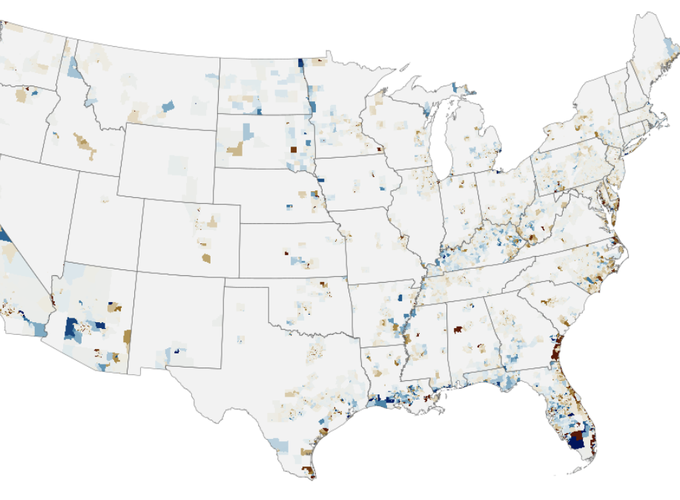
Climate risks are not fully priced in US housing markets. This mispricing can distort household decision-making and may create perverse incentives for development in high-risk areas. Unpriced climate risk could also cause sudden adjustments in home values when consumers’ perceptions of climate risks change, creating market instability. To improve the economic efficiency of housing markets, state and federal policies are needed to correct the market failures underlying this mispricing. However, depending on how they are implemented, certain policy interventions could introduce destabilizing effects and may worsen socioeconomic inequality. To support policy makers navigating these trade-offs, we review how policies that contribute toward more efficient pricing of climate risk can either support or hinder market stability and progressive distributional outcomes. We specifically focus on how three sets of state and federal policy levers—improving climate risk information, removing subsidies for development in high-risk areas, and increasing public investment in disaster risk reduction—can be implemented to reprice climate risk in housing markets following a gradual and transparent pathway, while protecting low-income households from adverse financial impacts.